Digital engagement / events / operational systems
Mostafa Tabatabaei
My work sits where live rooms, digital platforms, media production, and educational environments have to function together. Through engineering research, media operations, Stream Level Studios, h_da, and TU Darmstadt, I have learned to turn complexity into calm, usable structure.
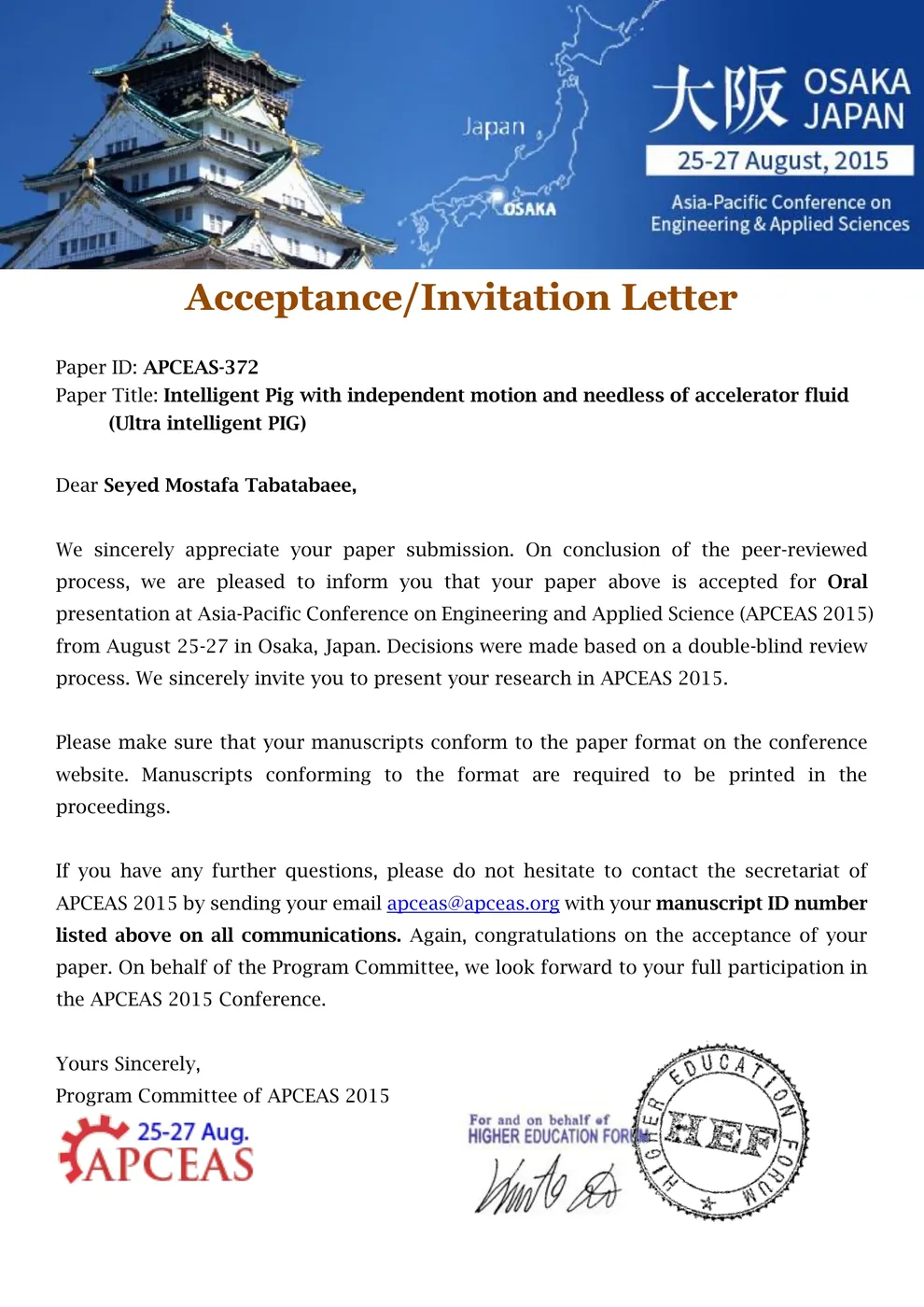
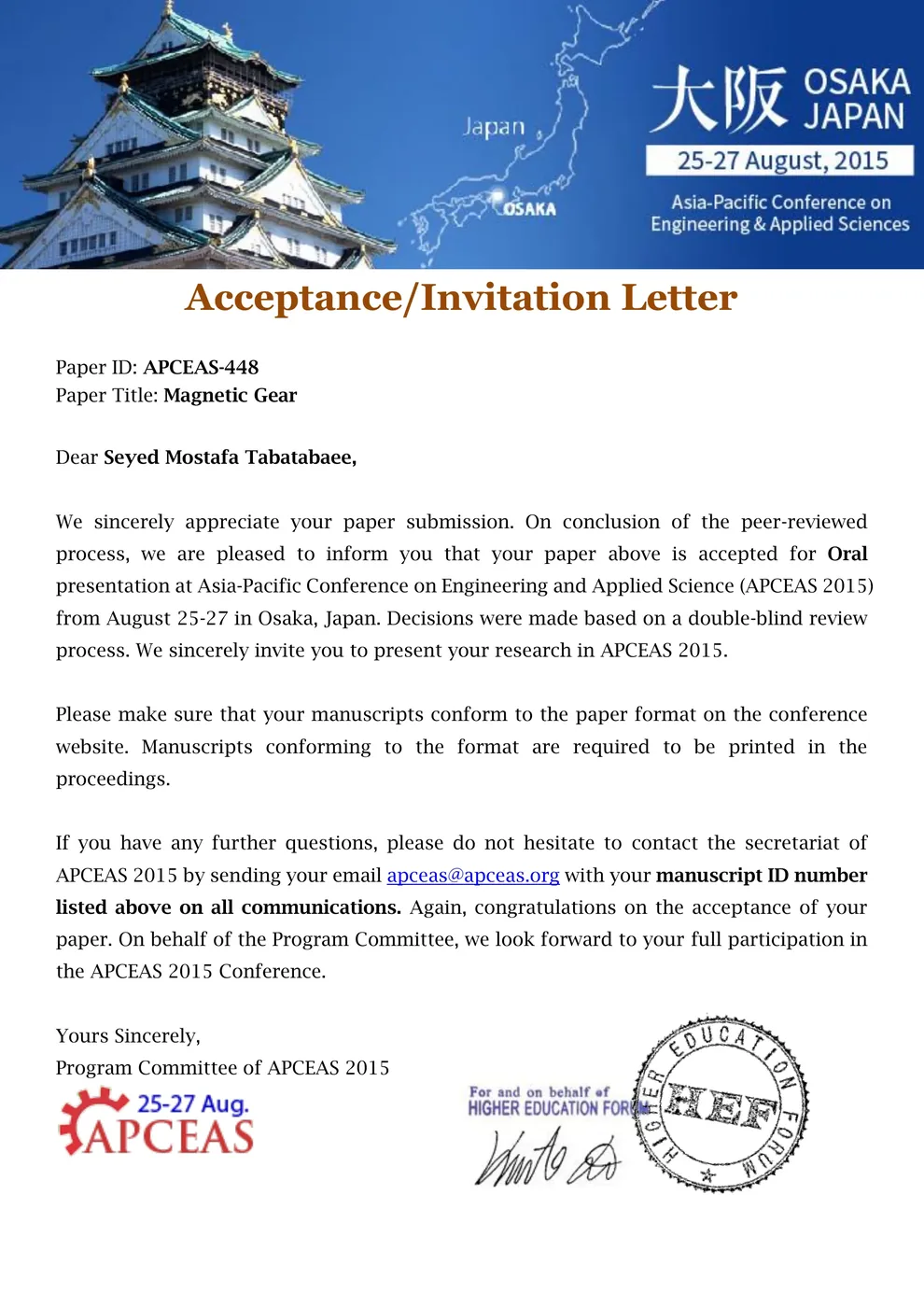
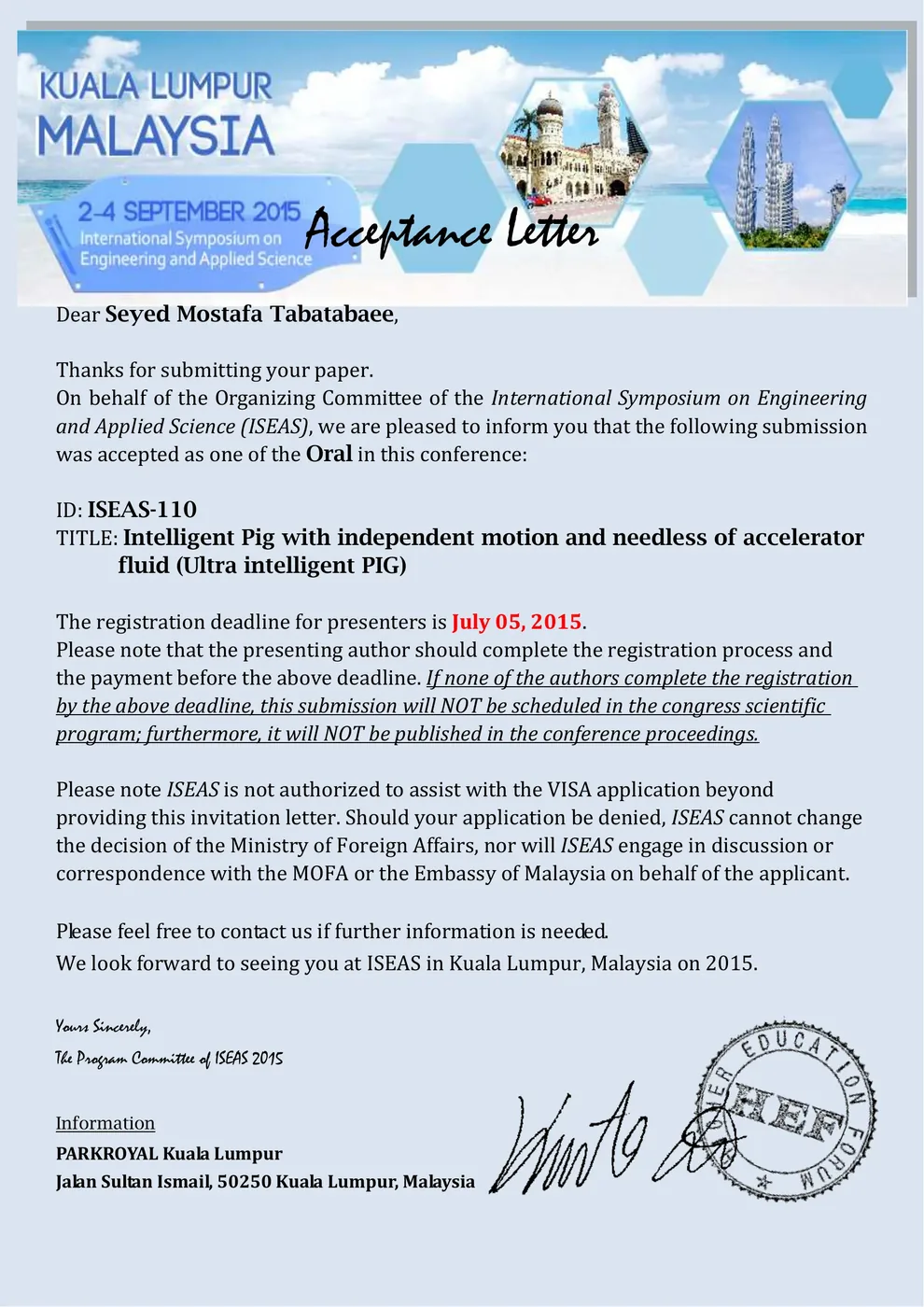
That habit began before the university roles: applied engineering research, patent work, Kharazmi recognition, media operations, and two master's projects in collaboration and immersive learning.
Hard anchors
Scale and context.
A few scale markers behind the work: large student environments, funded platform initiatives, live rooms, public engagement, and international research contexts.
Selected recognition
Recognition, kept to the essentials.
Experience
Where the work became real.
Different environments, same requirement: reliable systems, clear handoffs, and work that holds under pressure.
At TU Darmstadt, the work was close to the everyday reality of digital learning at scale: LMS workflows, hybrid learning moments, academic requests, publishing routines, support questions, and the small checks that protect a much larger system.
At h_da I worked close to teaching and learning support: preparing digital materials, helping users, understanding how instructional needs become platform actions, and seeing how students and lecturers experience the system.
Stream Level Studios gave me a more physical understanding of live digital work: cameras, sound, light, screens, timing, and the pressure of a room where every small technical decision becomes part of the audience experience.
Before the university platform work, I independently built an educational exhibition initiative inspired by the "1001 Inventions" concept. It meant sponsorship conversations, budgets, venues, invitations, programme structure, logistics, and the nerve to turn an idea into a public event plan.
Akharin Khabar taught me speed and content flow: deadlines, publishing rhythm, audience attention, and the operational discipline behind media that appears simple only when the work is done well.
Work
Rooms, platforms, people.
Live rooms, learning systems, media workflows, and research prototypes; the practical work is making them usable for the people depending on them.
Hybrid rooms and studio work
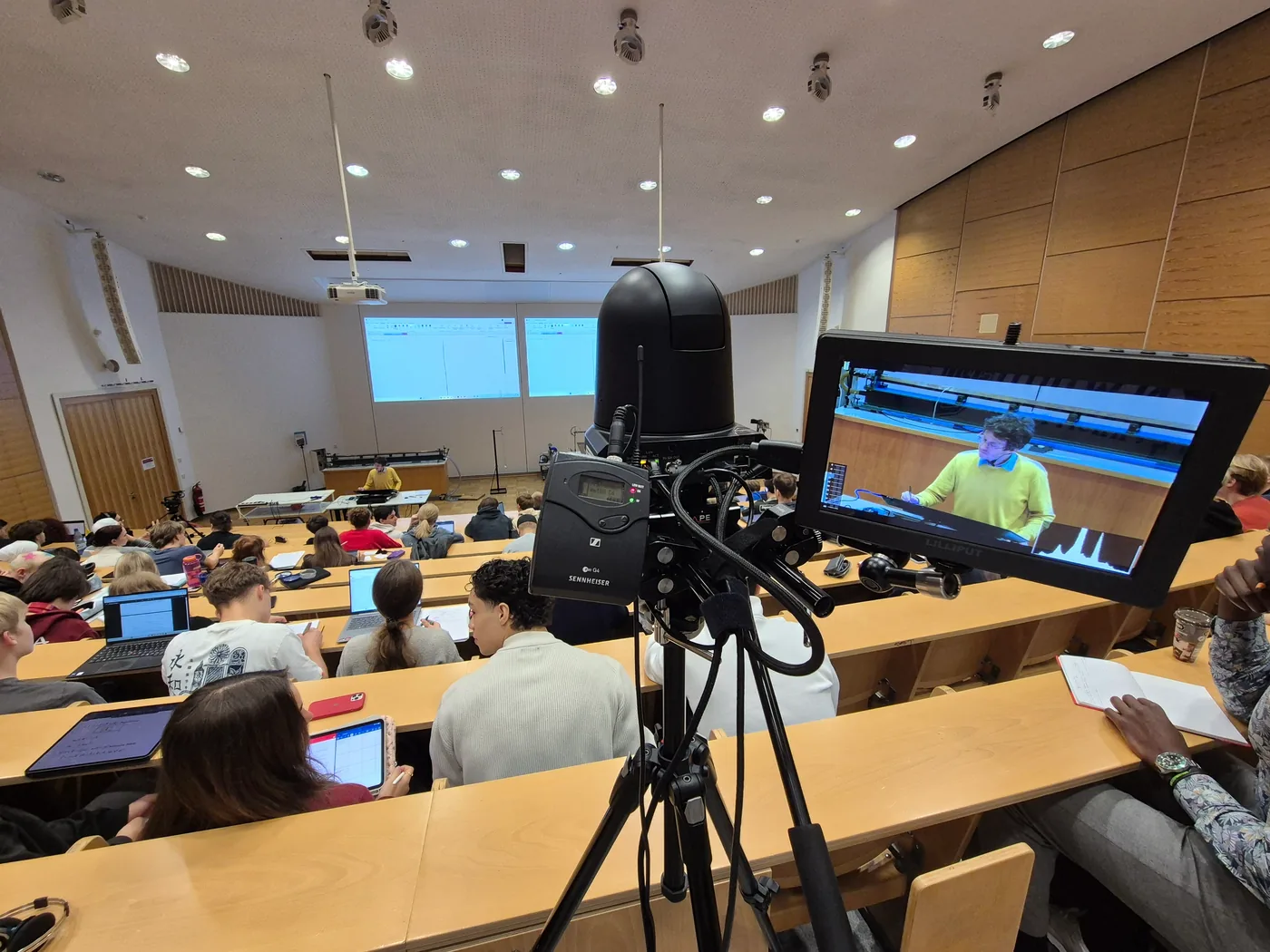
From Stream Level Studios to university hybrid environments, I have worked around the physical reality of digital events: cameras, control desks, microphones, speaker rhythm, remote audiences, and the quiet pressure of getting the moment right.
- Focus: readiness checks, signal awareness, speaker support, stream and studio coordination.
- Value: less confusion in the room, fewer avoidable surprises, calmer live moments.
Learning platforms and publishing routines
At TU Darmstadt and h_da, digital learning was not an abstract system. It was lecturers trying to teach, students trying to access material, and operations work turning that into something dependable.
- Focus: LMS workflows, QA routines, publishing paths, user support, vendor follow-up.
- Value: fewer unclear steps for the people who depend on the system.
Translation between worlds
A large part of my work is standing between languages: academic priorities, technical limits, vendor responses, production needs, and users who simply need the thing to work.
- Focus: practical communication, issue escalation, handoffs, shared expectations.
- Value: people can act without needing to understand every hidden technical layer.
Stream Level Studios and university hybrid rooms taught me the practical side of digital delivery: timing, speaker flow, technical monitoring, and steady attention.
Lab filming, VR, sound, and user testing belong beside platform operations because educational technology only matters when people can actually use it.
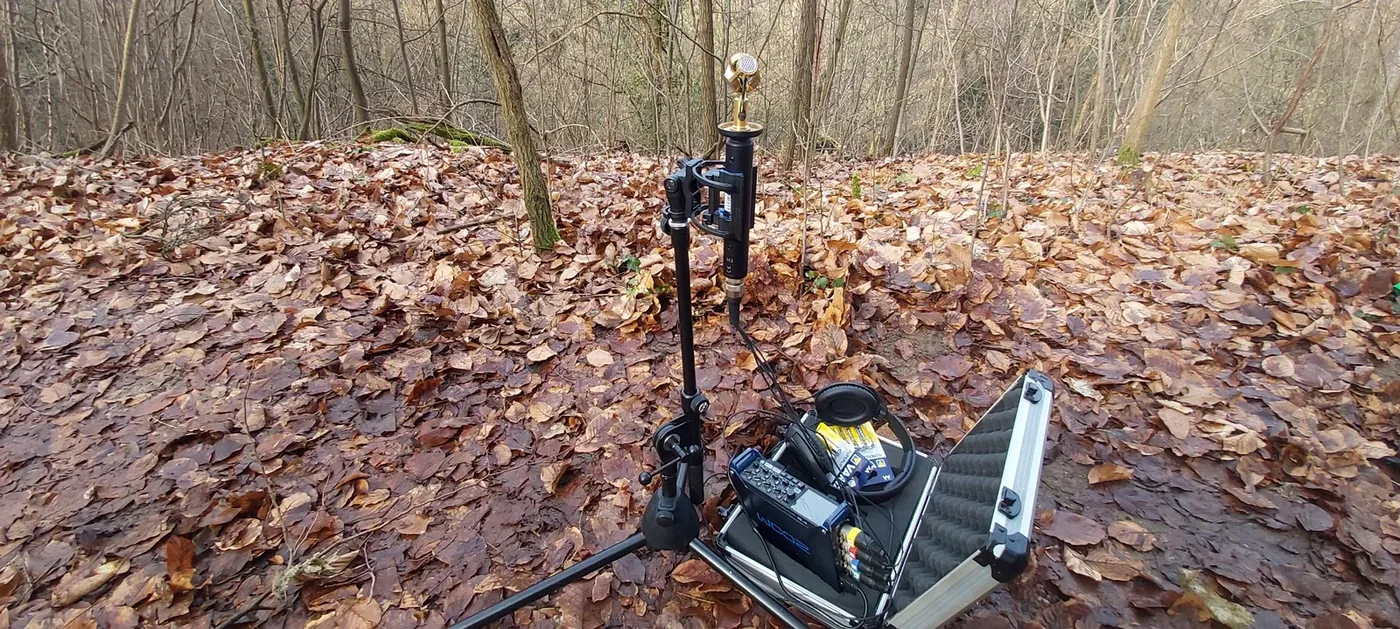
Developed with Valentin Boczkowski from an original concept led by Valentin, the project used field recording and 3D audio to support environmental learning through listening.
Research & creative practice
Research applied to learning environments.
Two master's projects strengthened the same practical interest: collaboration, learning environments, media, and how people behave inside systems.
That thesis began with a practical problem: creative student teams often get stuck not because they lack talent, but because the group itself becomes unclear. I used literature review, surveys, interviews, and a platform prototype to make collaboration patterns more visible to students and tutors.
Flüsterwald asked whether children could meet a forest through listening. Co-authored with Valentin Boczkowski and based primarily on Valentin's original concept, the project combined transmedia educational media, 3D audio, field recording, story, outdoor exploration in Darmstadt, and sensory learning for children around 8-11.
What I bring
Core capabilities.
Practical strengths repeated across media desks, studios, universities, exhibitions, research prototypes, and platform operations.
Events & Engagement
- Hybrid lecture and event coordination
- Speaker and room readiness
- Audience-facing flow
- Studio and stream awareness
Operations
- LMS and publishing workflows
- QA checks and issue follow-up
- Vendor and stakeholder coordination
- Budget and process awareness
Leadership
- Translating between teams
- Clear handoffs under pressure
- Facilitation and practical communication
- Agile coordination
Public Engagement
- Educational exhibitions
- Research and innovation settings
- Invitations and programme structure
- Explaining technical work to mixed audiences
Evidence
Selected artefacts.
A small set of proof points: production rooms, thesis prototypes, research diagrams, field audio, and public engagement settings.
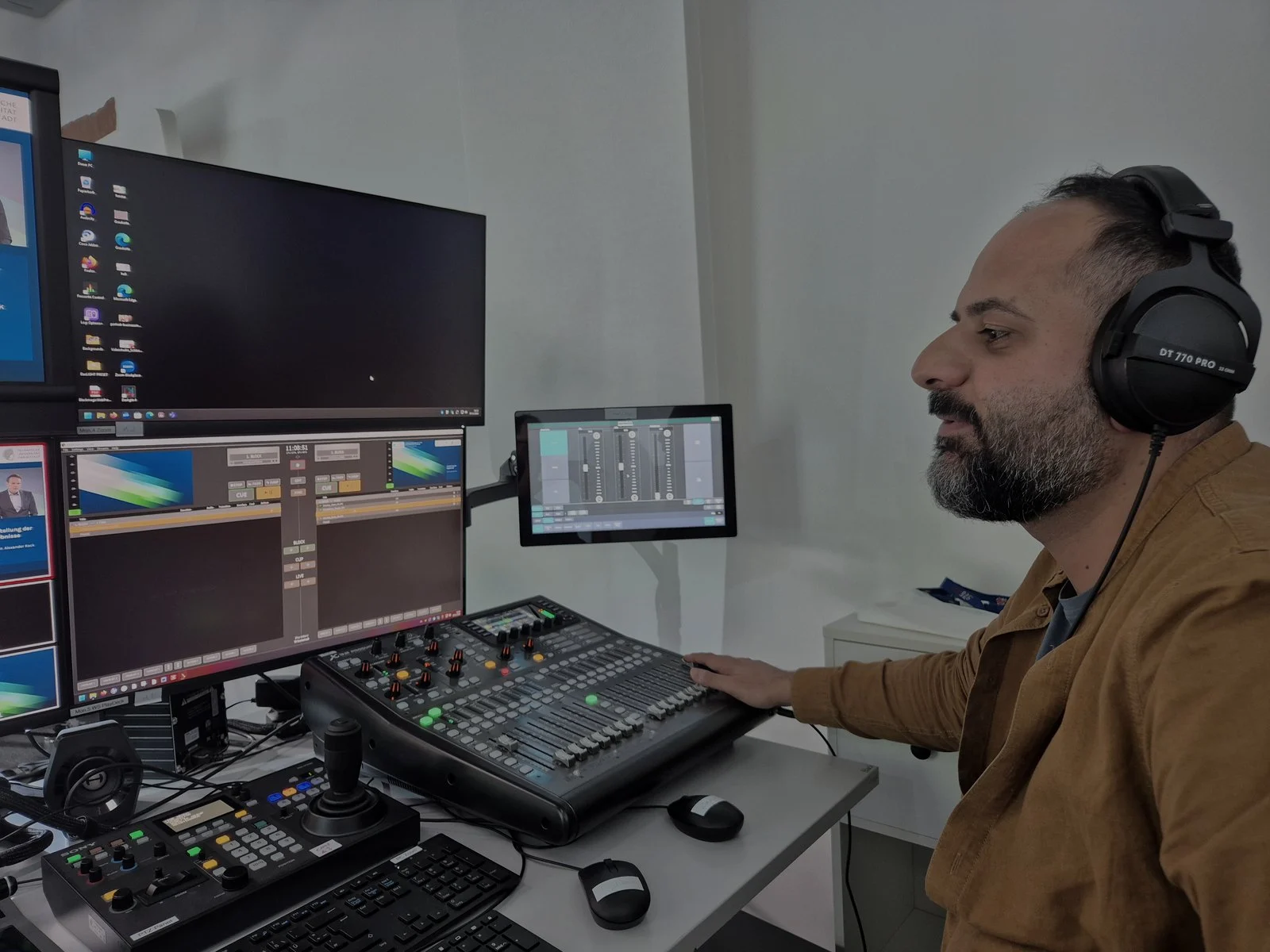
Hybrid event control environment
Screens, audio, cameras, switching, speaker feeds: the operating layer behind a stable live academic session.
Creative Group Dynamics research path
Literature review, problem framing, survey and interview work, validation, concept design, prototyping, and feedback.
Team progress interface
Part of a platform concept for making student collaboration and tutor visibility easier to read.
Listening as an educational interface
Developed with Valentin Boczkowski from Valentin's original concept; my contribution included research, field work, 3D audio, and experience design support.
Ideas explained in public settings
Public-facing innovation and exhibition environments, where technical ideas have to become clear to mixed audiences.
Method
Keeping complex work usable.
I try to do the useful things early: understand dependencies, name risks, prepare handoffs, and give people enough clarity before the pressure arrives.
Who depends on whom, what can fail quietly, and what does the user or organiser need before the moment starts?
Clear roles, known handoffs, practical timing, and language people can act on without decoding it first.
Support the moment with attention, issue management, stakeholder communication, and practical judgement.
Capture patterns, reduce friction, improve checks, and turn lessons into a process someone else can trust.
Digital Strategy & AI Workflows
A practical extension of the same work.
Recent work in website strategy, content structure, and AI workflows adds a useful layer: mapping what a visitor needs, structuring information clearly, and using AI only where human QA remains in charge.
I look at how people arrive, what they need to trust, and what they should understand next: visitor journeys, customer journey mapping, navigation, and content structure.
NotebookLM and prompt-led workflows help turn PDFs, notes, and project material into summaries, comparisons, draft structures, and rapid prototypes. The useful part is speed with judgement.
Working style
Clear, steady, practical.
The useful part is rarely dramatic. It is noticing what is unclear early enough to make the work easier for everyone else.
Composure
Steady attention when timing, technology, and people all matter.
Translation
Technical detail, academic need, production pressure, and plain language.
Structure
Visible roles, checks, handoffs, and next steps before they become urgent.
Care
Attention to the person receiving the experience, not only the system delivering it.
Toolkit
Working toolkit.
A concise set of tools and practices I use to structure research, learning environments, digital engagement, and delivery work.
Professional enquiries
Contact
For professional conversations around digital engagement, hybrid events, educational systems, media operations, and institutional delivery.